April 9, 2026
Homeowners often face the challenging decision of whether to repair or replace their septic systems when they begin showing signs of failure. Both options require careful consideration, as they involve financial, environmental, and long-term operational implications. Understanding the factors involved in this choice is critical for ensuring a functional and sustainable septic system that serves your household effectively for decades. Seeking advice from local septic tank services can provide insights tailored to your property and system type.
Septic system failure can disrupt daily life, lead to costly repairs, and pose environmental hazards if not addressed promptly. Being informed allows homeowners to make proactive decisions, preventing emergencies and ensuring system longevity. Evaluating the severity of the problem, understanding system components, and comparing repair versus replacement costs are all essential steps in this decision-making process.
Understanding Your Septic System
Before deciding on repair or replacement, it's important to understand how a septic system functions and what components are involved. A well-functioning septic system efficiently processes wastewater, protecting your property and the surrounding environment.
Components of a Septic System
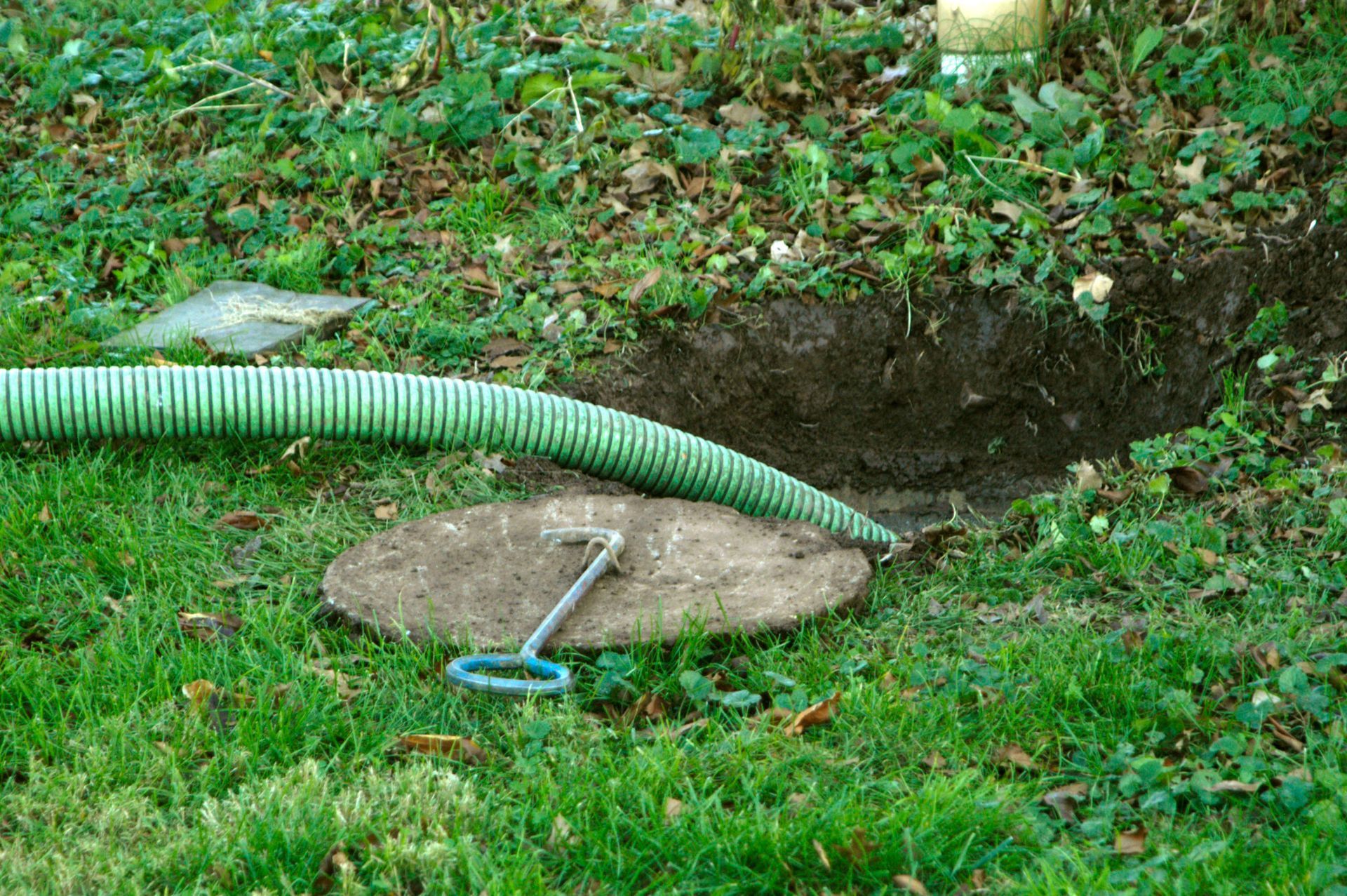
A septic system typically consists of a septic tank, drain field, and connecting pipes. The tank separates solids from liquids, allowing sludge to settle at the bottom and scum to rise to the top. The drain field then disperses the treated liquid safely into the soil. Proper maintenance of each component ensures system efficiency and prevents early failure. Regular inspection by local septic tank services can help identify issues before they become major problems.
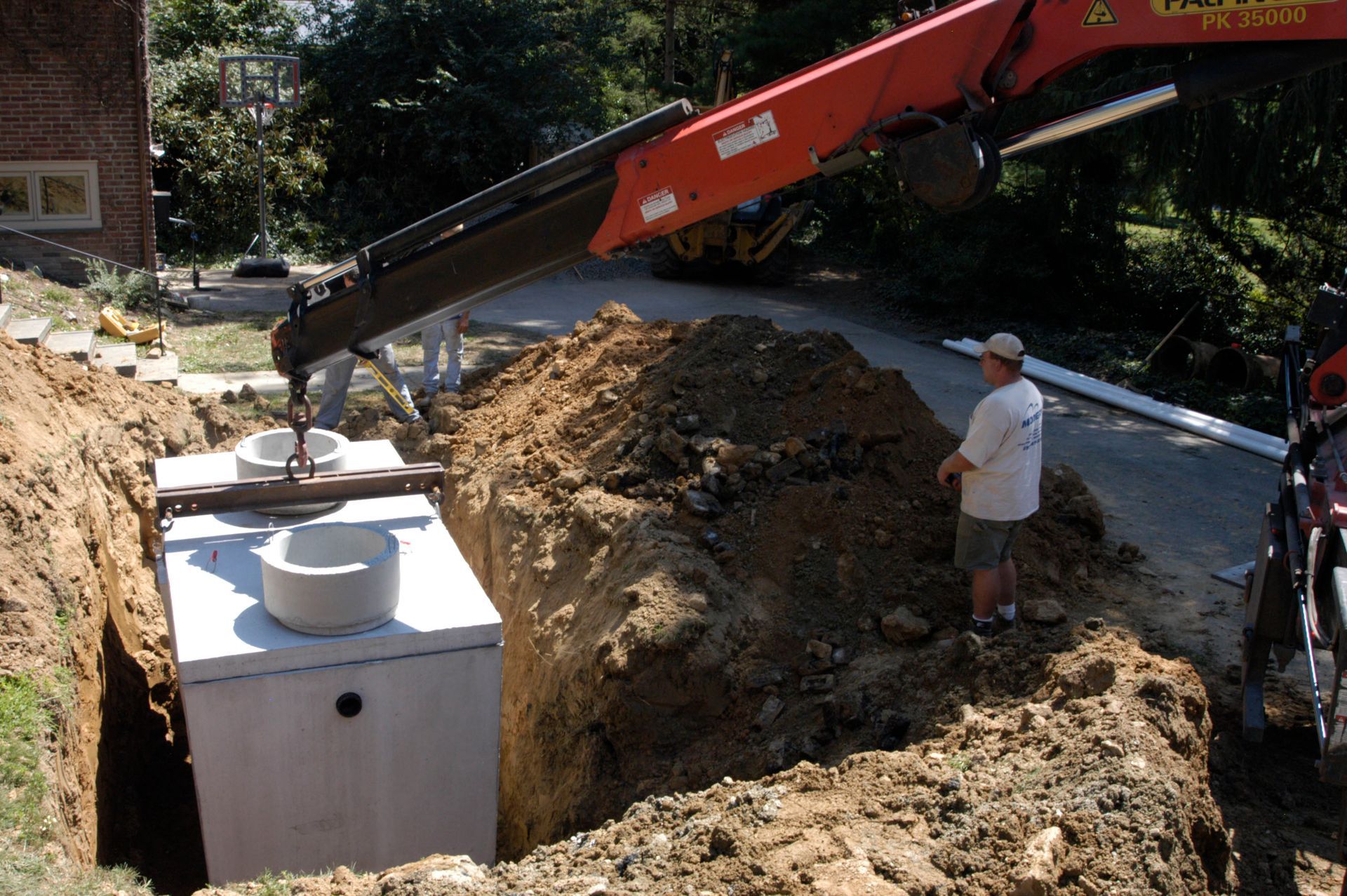
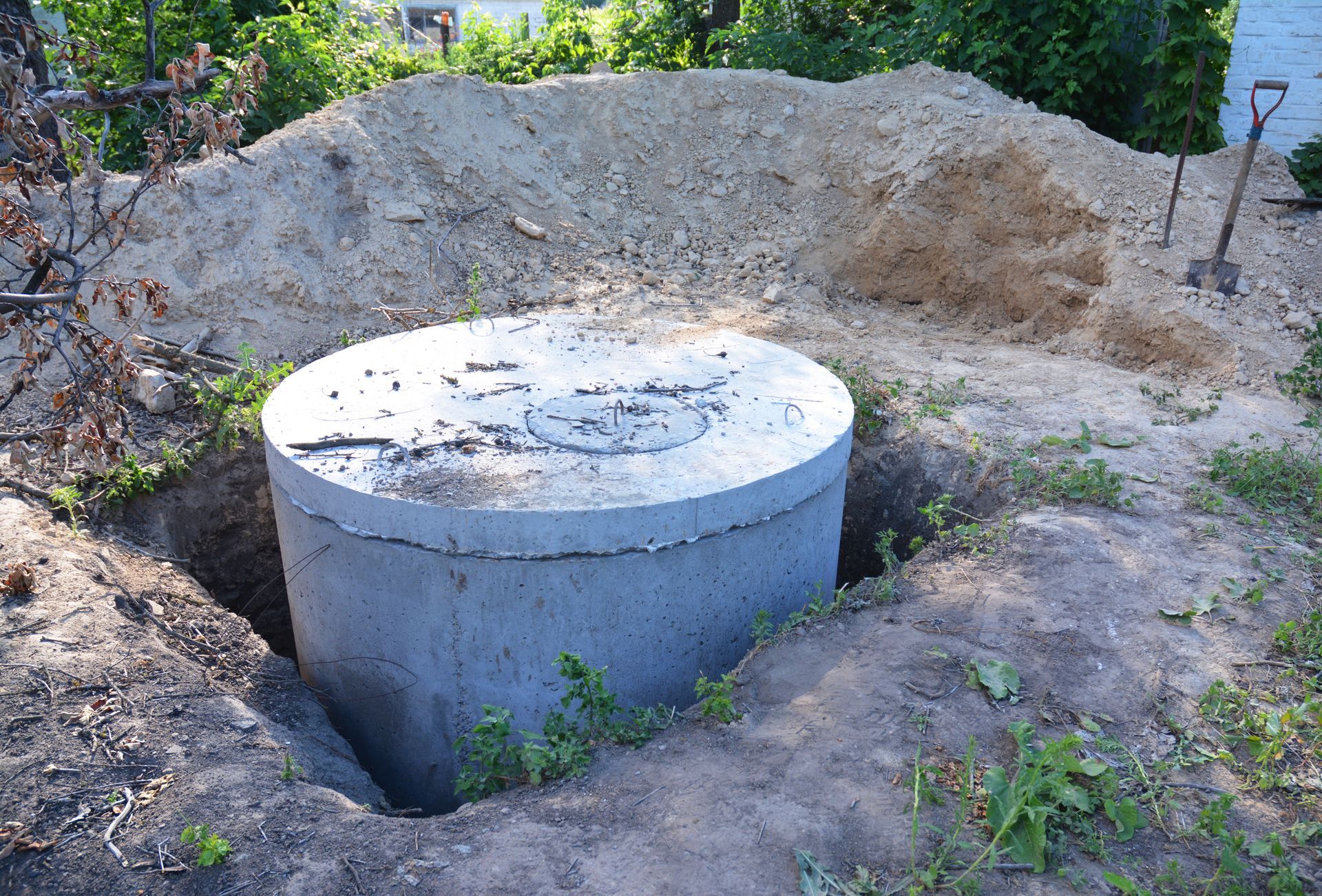
Septic tanks are commonly made of concrete, fiberglass, or plastic, each with unique benefits and vulnerabilities. Concrete tanks are durable but may crack over time, particularly under extreme environmental conditions. Fiberglass and plastic tanks resist corrosion but may float in areas with high water tables. Pipes linking the tank to the drain field must be monitored for blockages or root intrusion, while the drain field relies on soil type and location to absorb and filter effluent effectively.
Understanding the interaction of these components allows homeowners to identify failing parts and make informed decisions about repair or replacement. Knowledge of system operation facilitates better communication with local septic tank services, resulting in more accurate assessments and cost-effective solutions. Properly maintained components working in unison ensure your septic system functions reliably for many years.
Common Signs of Septic Failure
Recognizing early signs of septic system failure is critical to prevent costly damage. Common indicators include slow drainage, foul odors, and pooling water near the drain field. Slow draining sinks and toilets suggest that the system struggles to process wastewater, while foul odors indicate escaping gases due to blockages or full tanks. Standing water or soggy areas near the drain field may signal clogs or damage requiring prompt attention.
More severe signs of failure include sewage backups within the home, persistent odors, and unusually lush patches of grass caused by leaking wastewater fertilizing the soil. Ignoring these signs can lead to complete system failure, where replacement becomes inevitable. Routine monitoring and early intervention are key to extending the life of a septic system. According to Gitnux, each year, more than 120,000 septic systems are replaced, highlighting the importance of vigilance and timely maintenance.
How Septic Systems Operate
Septic systems operate on a straightforward process: wastewater leaves your home through a drainage pipe and enters the septic tank, where solids settle and liquids flow to the drain field. Bacteria in the tank break down organic matter, reducing sludge buildup. The effluent that reaches the drain field is further filtered by the soil, preventing contamination of groundwater and local ecosystems. Understanding this process helps homeowners maintain their systems effectively.
The system's efficiency depends on proper design, regular maintenance, and responsible household water use. Overloading the tank or introducing non-biodegradable substances can disrupt bacterial activity, leading to clogs or failure. Regular pumping of sludge and scum, as well as periodic inspections, are essential to sustain efficient operation. Local septic tank services can provide tailored maintenance schedules based on your household's size and water usage patterns.
The Lifespan of Septic Systems
The typical lifespan of a septic system ranges from 25 to 30 years, although well-maintained systems can last up to 40 years. Factors affecting longevity include tank material, maintenance frequency, and environmental conditions. Concrete tanks generally last longer than fiberglass or plastic, while proper pumping, avoiding excessive water use, and preventing non-biodegradable items from entering the system can significantly extend its life.
Neglecting maintenance or operating a system beyond its design capacity accelerates wear and can necessitate early replacement. Persistent odors, slow drainage, or frequent backups indicate that repair may no longer be cost-effective. Regular evaluations by local septic tank services help homeowners understand the health of their system and plan for necessary interventions.
Regular Maintenance and Its Importance
Routine maintenance is essential for septic system longevity. Pumping the tank every three to five years prevents sludge buildup that can impair efficiency. Annual inspections by local septic tank services allow early detection of minor issues before they escalate. Maintaining balance in the tank's ecosystem supports bacterial activity, critical for waste decomposition and overall system health.
Neglecting regular maintenance leads to sludge accumulation, clogging, and reduced capacity, often resulting in costly repairs. Proactive upkeep is less expensive and less disruptive than emergency repairs or replacements. A well-maintained system also enhances property value, signaling responsible homeownership to potential buyers. Investing in preventative care is a smart long-term strategy to ensure environmental safety, system efficiency, and cost savings.
Identifying Minor vs. Major Problems
Determining whether septic issues are minor or major is essential for deciding between repair and replacement. Minor problems, such as slow drainage or small leaks, are typically resolvable through simple fixes like unclogging pipes or replacing components. Early intervention by local septic tank services can prevent these minor issues from escalating.
Major problems include frequent backups, foul odors, or structural damage to the tank or drain field. Such issues often require immediate attention and may necessitate full system replacement. Identifying the severity early prevents environmental hazards, regulatory non-compliance, and more expensive future interventions. A thorough professional evaluation ensures the correct course of action is chosen for your property.
Assessing System Age and Wear
The age and wear of a septic system are critical in deciding whether to repair or replace. Systems over 25 years old may benefit more from replacement due to frequent malfunctions and non-compliance with modern environmental standards. Older systems often require more repairs, making replacement a cost-effective and practical solution. Assessing age alongside wear on components like pipes and drain fields ensures a holistic understanding of the system's condition.
Frequent minor repairs can accumulate costs that surpass the price of a new system, making replacement economically sensible. A comprehensive evaluation with local septic tank services provides insight into the system's expected longevity and helps homeowners plan for long-term waste management needs. Proper timing of replacement avoids repetitive repairs and maintains property functionality.
Calculating Replacement Expenses
Replacement costs depend on tank type, installation complexity, terrain, labor, and permits. Typical replacement costs range from $3,000 to $10,000 or more. Government grants or incentives for sustainable wastewater management may offset some costs, making replacement a viable investment. Homeowners should obtain multiple quotes from local septic tank services to ensure accurate budgeting and optimal installation quality. Comparing options ensures long-term efficiency and compliance with regulations.
Deciding between septic repair and replacement requires a comprehensive understanding of system components, signs of failure, age, and cost implications. Engaging professional
local septic tank services for inspections, diagnostics, and maintenance is essential for making informed decisions. Proactive care, timely repairs, and consideration of environmental factors ensure system longevity and cost-efficiency. Don't wait until small issues escalate contact ProSeptic today to evaluate your system and ensure reliable, long-term performance.