May 22, 2026
While many homeowners associate septic maintenance solely with the periodic removal of waste, the true longevity of these systems depends on a much more comprehensive strategy. A septic system is a complex biological and mechanical environment that requires consistent oversight to function properly. By looking beyond the basics, property owners can prevent the environmental and financial catastrophes associated with system failure.
The prevalence of these systems makes their care a matter of national infrastructure health. According to the U.S. Environmental Protection Agency, more than 20% of households across the country rely on individual decentralized septic systems or small-scale community cluster systems for wastewater treatment. With millions of families depending on these setups, understanding the full scope of professional septic services is essential for maintaining both property value and public health.
Conducting Regular System Inspections
Frequent inspections are the most effective way to maintain the health of a septic system. These evaluations allow for the early detection of structural or mechanical issues that might otherwise develop unnoticed. By identifying minor discrepancies early, homeowners can resolve small cracks or baffle misalignments before they culminate in significant, expensive failures.
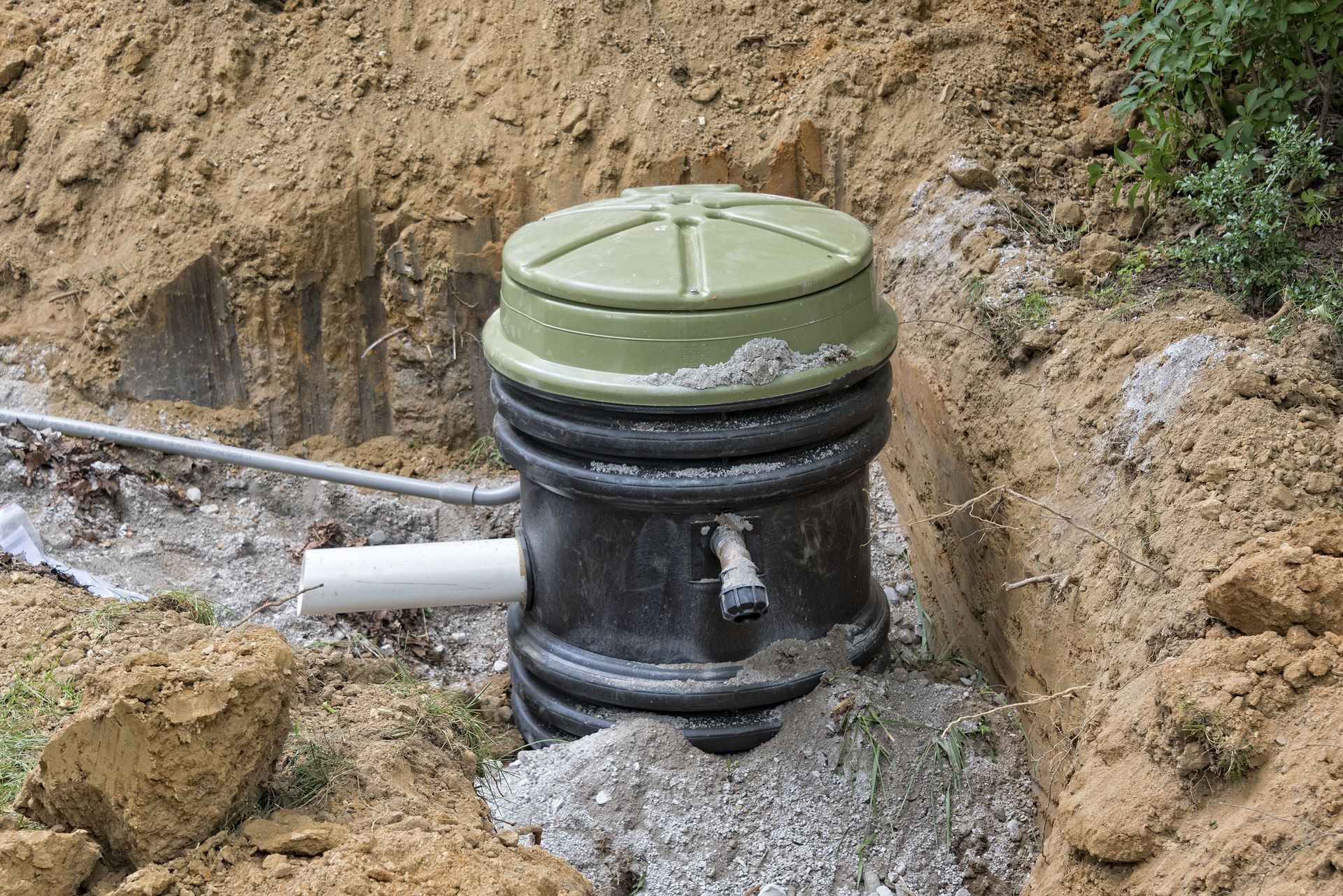
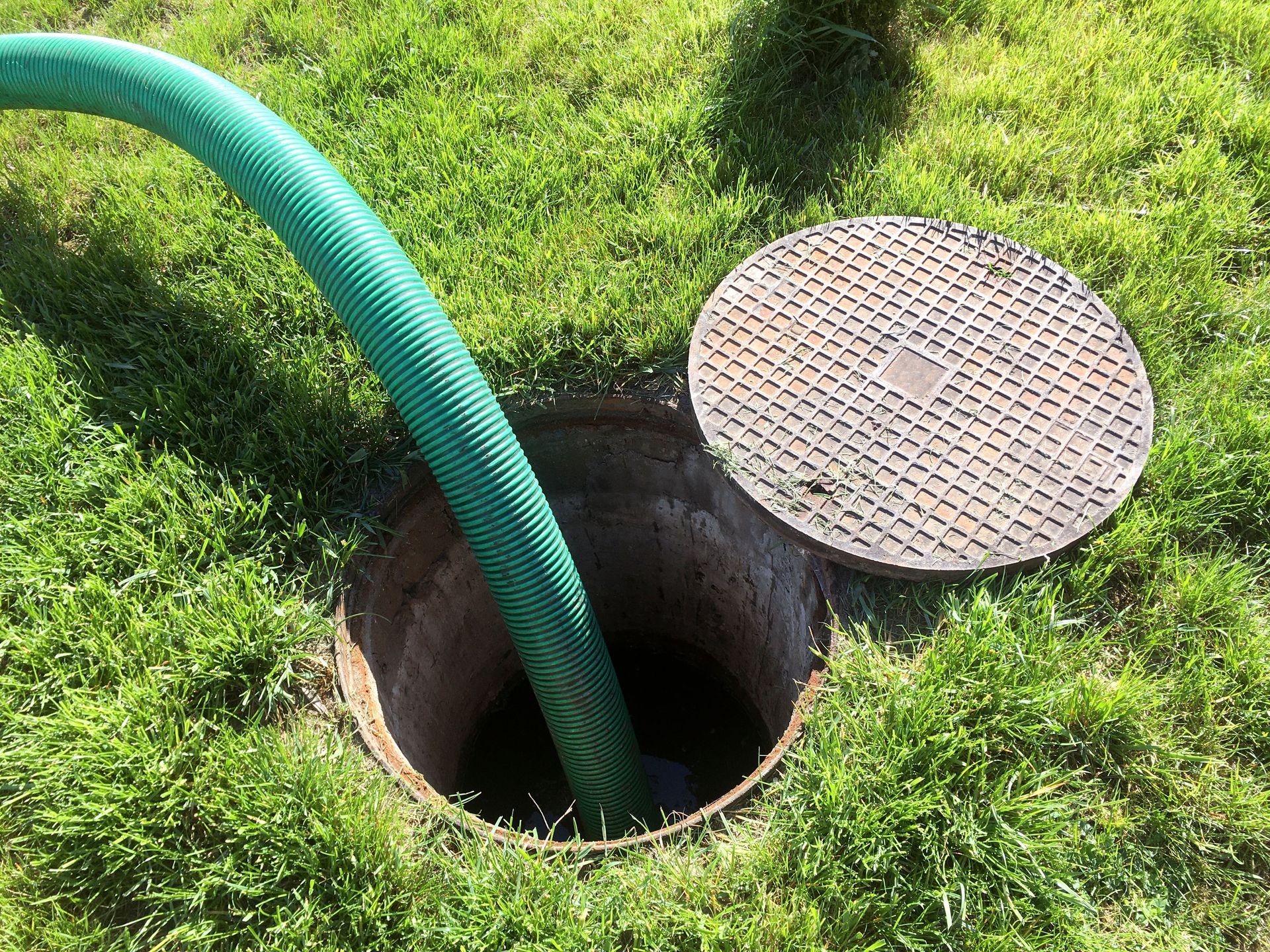
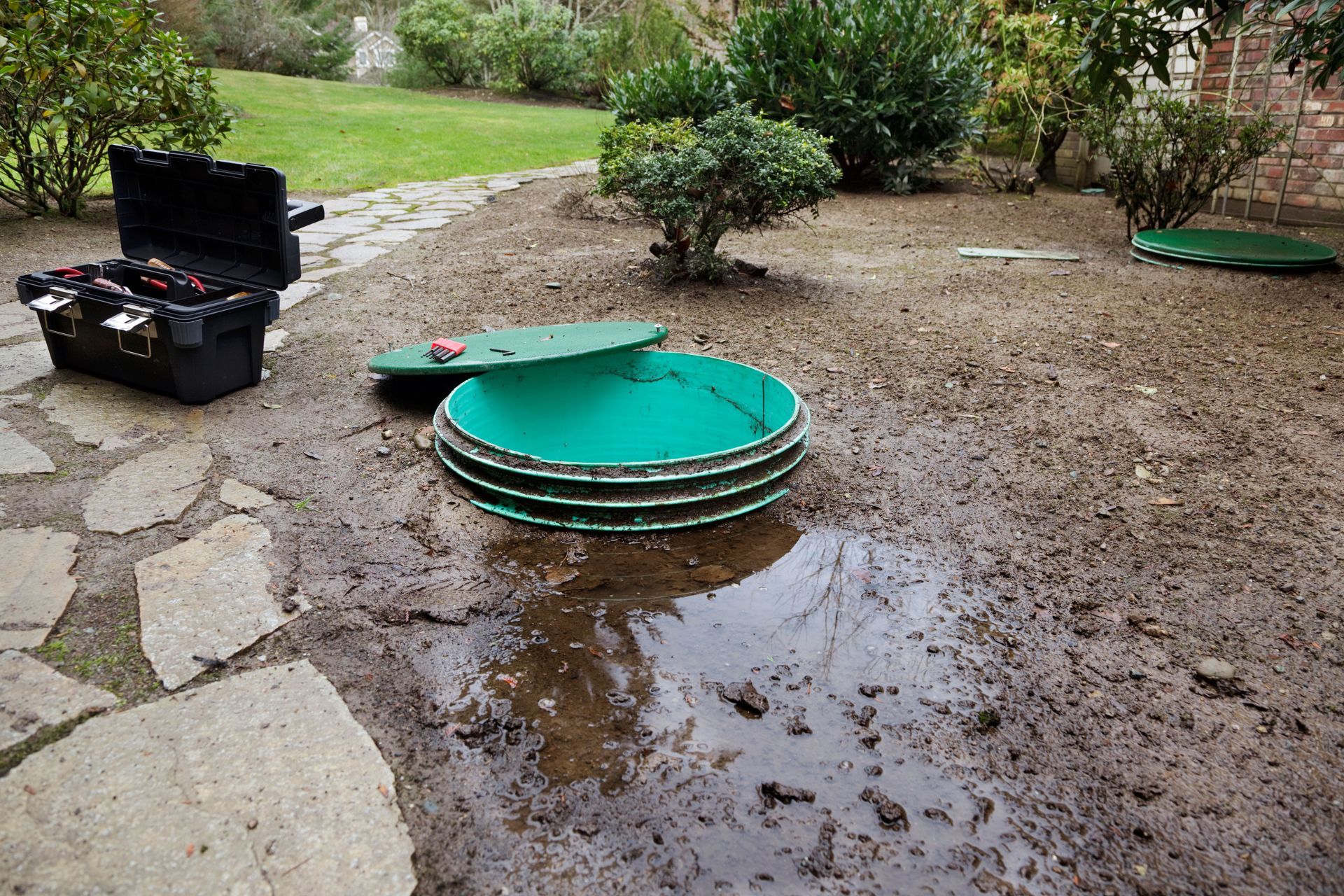
Professional septic services typically involve several meticulous steps. Technicians locate the tank and uncover the access lids to evaluate the interior condition. They measure the accumulation of sludge and scum layers to verify if immediate pumping is required. Inspectors then assess the surrounding area for signs of saturation, such as unusually lush vegetation or damp soil, which could indicate a leak. Checking the integrity of the inlet and outlet baffles ensures that solids are not escaping into the drain field.
Homeowners should typically schedule these inspections every one to three years, depending on the size of the household and the age of the tank. Consulting with professionals allows for the creation of a personalized maintenance timeline. Early scheduling prevents the need for emergency calls, which often occur when a neglected system finally reaches its breaking point.
Performing Water Usage Assessments
The volume of water entering a septic tank directly impacts its ability to treat waste. Excessive water use can strain the system, preventing the necessary separation of solids and liquids. When the tank is flooded by high-volume laundry days or long showers, solids can be pushed into the drain field, leading to catastrophic blockages.
Reducing consumption is a practical way to protect the system's infrastructure. Installing high-efficiency toilets and repairing leaky faucets can significantly lower the daily hydraulic load. Spreading out laundry loads over the week rather than doing them all in one day also prevents the tank from being overwhelmed. These small changes protect the drain field from premature failure and extend the overall functional lifespan of the property's wastewater treatment.
Prioritizing Drain Field Maintenance
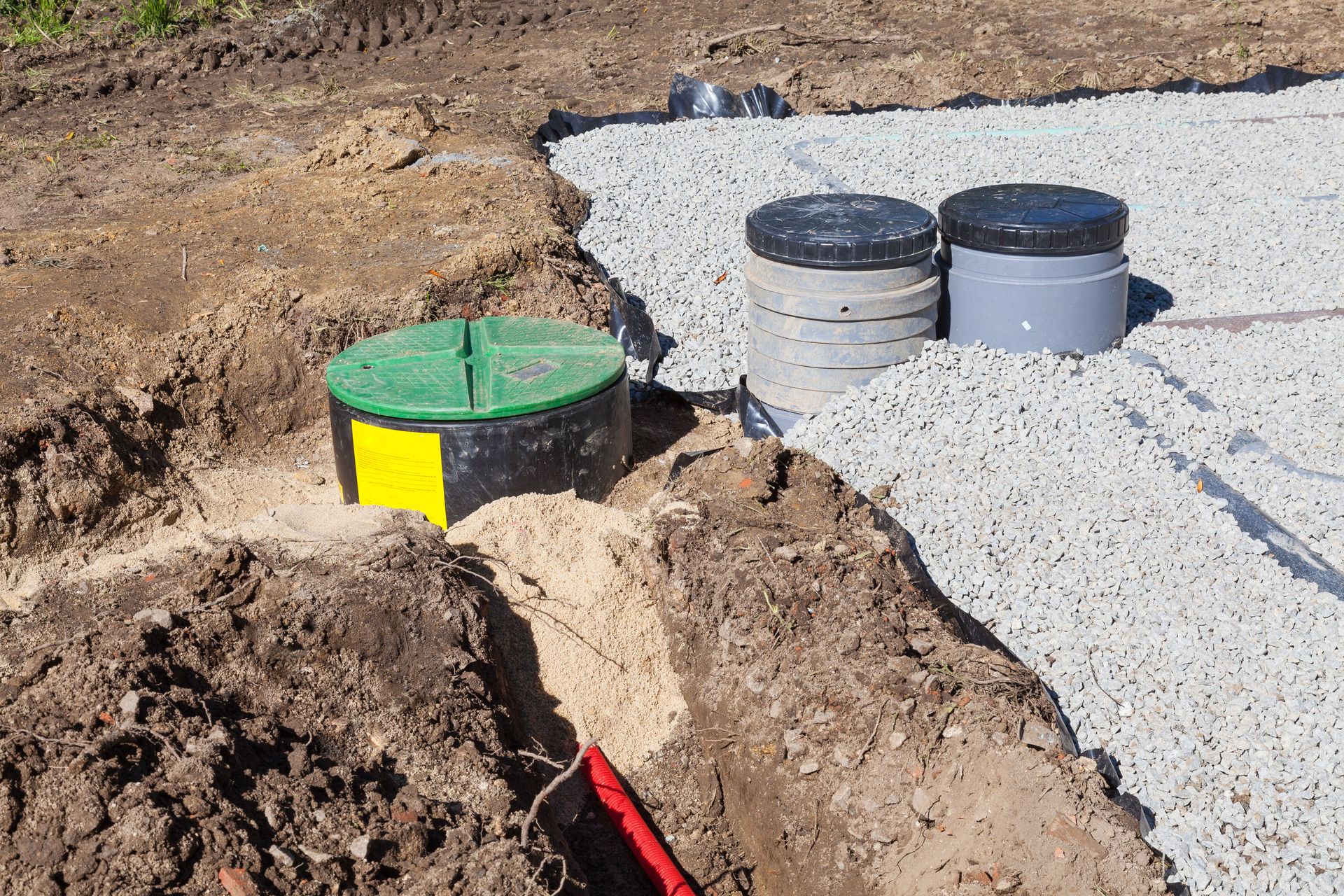
The drain field, or leach field, is the final and most critical stage of the treatment process. It is here that the liquid effluent is naturally filtered through the soil. Ensuring the health of this area is vital, as any impairment can cause untreated wastewater to surface or contaminate groundwater.
Protecting the drain field requires strict physical boundaries. Homeowners must avoid driving vehicles or placing heavy structures over the area, as soil compaction can crush pipes and prevent oxygen from reaching the beneficial bacteria in the soil. Planting trees too close to the lines can lead to root intrusion, which is a common cause of system failure. Recognizing signs of trouble, such as persistent odors or soggy patches of grass, allows for prompt intervention before the entire field requires replacement.
Evaluating Bacterial Additives
Bacterial additives are often marketed as a way to enhance the decomposition of solids within the tank. These products introduce specific strains of bacteria intended to break down waste more efficiently. While they may offer temporary relief for a struggling system, it is important to remember that a healthy septic tank naturally maintains its own bacterial ecosystem.
Over-reliance on additives can sometimes lead to a false sense of security, causing homeowners to skip essential septic services like professional pumping. Many experts emphasize that a well-maintained system does not require artificial enhancements. Instead of using additives, homeowners should focus on preserving the natural bacteria by avoiding the use of harsh chemical cleaners, bleach, and antibacterial soaps, which can kill the microorganisms responsible for waste digestion.
Addressing Pipe and Line Health
The network of pipes connecting the home to the septic tank and the tank to the drain field is susceptible to various forms of deterioration. Corrosion, shifting soil, and root intrusion can all compromise the integrity of these lines. Regular assessments using specialized tools can identify these issues before they lead to a total breakdown.
Modern techniques have made maintaining these lines much more effective. For example, utilizing high-pressure water to clear debris can restore flow without damaging the pipes.
- Snaking: This involves using a flexible cable to break through physical clogs within the plumbing lines.
- Hydro Jetting: This service uses high-pressure water streams to scrub the interior walls of the pipes, removing grease and mineral buildup.
- Camera Locating: Technicians use waterproof cameras to inspect the interior of the pipes, allowing them to pinpoint the exact location of a break or blockage without unnecessary digging.
By incorporating these advanced cleaning and diagnostic methods, property owners can avoid the massive costs associated with full pipe replacements.
Monitoring Vent and Lateral Line Functionality
Proper ventilation is essential for the aerobic digestion process and for controlling odors within the system. Vents allow decomposition gases to escape, preventing a buildup of pressure that could lead to slow drainage or gurgling sounds in the house. If a vent becomes blocked by debris or bird nests, the system's efficiency will plummet.
Lateral lines must be checked during septic services to ensure they are distributing effluent evenly across the drain field. If one line becomes clogged, the others must compensate, leading to uneven saturation and potential field failure. Professional maintenance solutions, such as snaking or jetting, are often used to clear these stubborn obstructions. Consistent oversight of these components ensures the entire septic setup operates as a balanced, rhythmic cycle.
Utilizing Professional Inspections for Real Estate
For those buying or selling a home, a specialized inspection is a critical part of the transaction. A standard home inspection often overlooks the complexities of a buried septic system. A professional real estate septic inspection provides a detailed report on the system's current capacity and structural health. This transparency protects the buyer from inheriting a failing system and provides the seller with documentation that the property's infrastructure is sound.
Managing Grease Traps for Commercial Systems
While most residential systems do not require them, grease traps are a vital component for commercial properties or homes with heavy kitchen use. These traps prevent fats, oils, and grease from entering the septic tank, where they can solidify and cause massive blockages. Regular cleaning and maintenance of these traps are essential septic services that prevent the most common causes of commercial system failure.
Maintaining a healthy home requires a proactive approach to wastewater management. While pumping is the most visible part of the process, it is the combination of inspections, pipe maintenance, and water conservation that truly safeguards the system. By treating your septic setup as a valuable piece of infrastructure rather than a "set it and forget it" appliance, you ensure the safety and comfort of your household for years to come.
If you are ready to ensure your system is operating at its peak, contact the experts at ProSeptic today. From advanced camera locating and hydro jetting to professional repairs and installation, we provide the comprehensive septic services you need to protect your home and the environment. Give your system the professional attention it deserves and enjoy the peace of mind that comes with a job well done.